-May-29-2026-11-54-22-8676-AM.png)
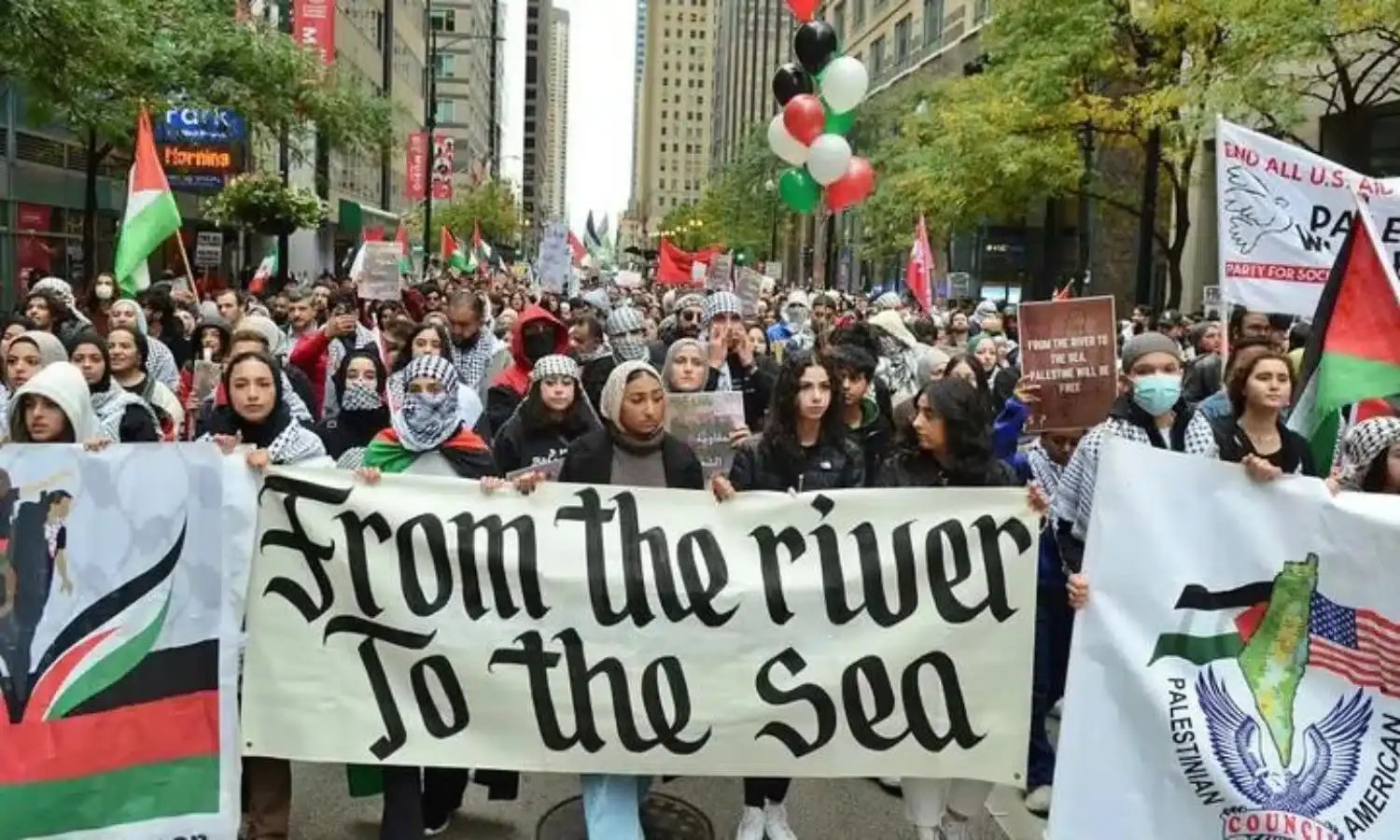


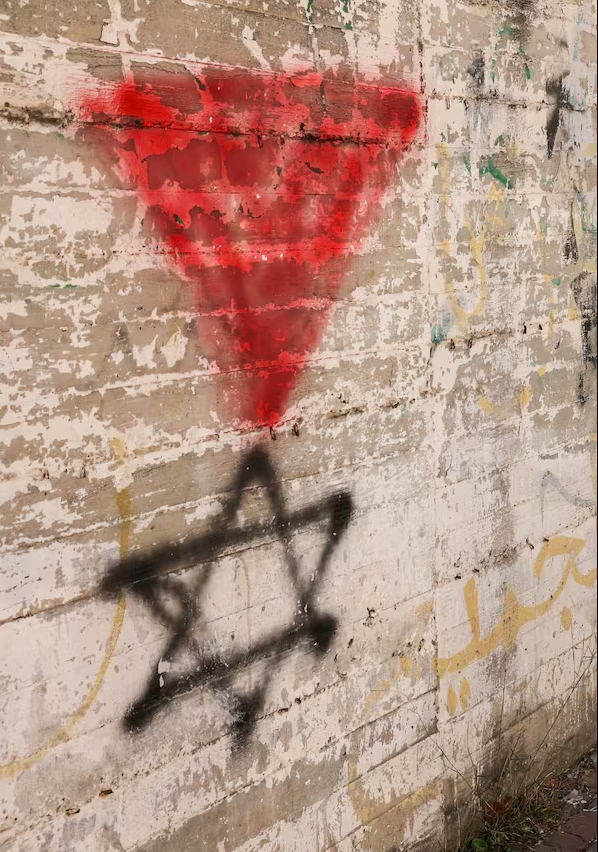
The red triangle has increasingly appeared in anti-Israel propaganda as a symbol of hate and intimidation. Its manifestations range from social media emojis and graffiti on Jewish institutions to badges worn at protests, and most recently, patches on Hamas Uniforms.
Facts & Historical Origins
Historically, the inverted red triangle was used to identify political prisoners during the Holocaust, symbolizing persecution and oppression. It later appeared on the 1917 Flag of the Arab Revolt and subsequently became part of the Palestinian flag. In recent years, Palestinian groups like Hamas have adopted it to mark targets during attacks, infusing the symbol with aggressive and violent connotations. Most recently, Hamas has incorporated the red triangle into patches worn on their uniforms.
Threat to Jewish Communities and Public Safety
The red triangle has been weaponized as a tool for hate, appearing in acts of vandalism such as marking Berlin Mayor Kai Wegner's residence and Tagesspiegel's headquarters, leading to its prohibition by the Berlin Senate in July 2024. In New York, the homes of Jewish leaders have been defaced with this symbol, signaling intimidation and potential violence. Its use perpetuates fear and hostility, making it a significant threat to public safety and Jewish communities worldwide.
The red triangle is weaponized to intimidate and incite hostility, repurposing a Holocaust-era symbol of persecution into a modern tool for hate against Jews.
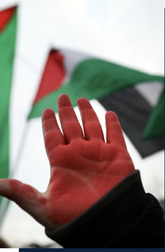
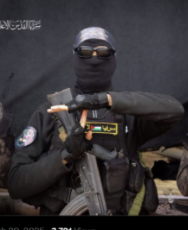
Some terrorists and their supporters have used the “time out” hand symbol for propaganda purposes in the wake of October 7.
Facts & Historical Origins
Since October 7, antisemitic terrorists, including Hamas gunmen and now-deceased Hezbollah leader Hassan Nasrallah, have occasionally formed a “time out” symbol with their hands. Some anti-Israel protesters have formed the symbol as well. One analyst attributed the symbology to the U.S. assassination of Abu Mahdi al-Muhandis and Qassem Soleimani in January 2020, after which Iran-backed terrorists used the hand symbol to convey the idea that U.S. military activity in Iraq should take a “time out” and that the United States should “get out” of Iraq. Hamas’ adoption of the symbol is likely meant to communicate a similar meaning, but vis-a-vis Israel’s military campaign to destroy Hamas in Gaza.
Threat to Jewish Communities and Public Safety
Use of this symbol during anti-Israel protests should be regarded as invocation of Hamas symbology, much like the inverted red triangle (see item #1 above). Hamas is a U.S.-designated terrorist organization dedicated to murdering Jews and destroying Israel.